Shabby Leather Texture Backgrounds: Instant Vintage Charm
Finding the right background for a design project is often the silent challenge. It needs to support the content, not overshadow it, while still contributing a distinct mood. This is where a resource like Shabby Leather Texture Backgrounds steps in, offering a solution that is both visually rich and remarkably versatile. It’s not just a background; it’s a foundational layer of atmosphere.
The Visual Personality of Weathered Leather
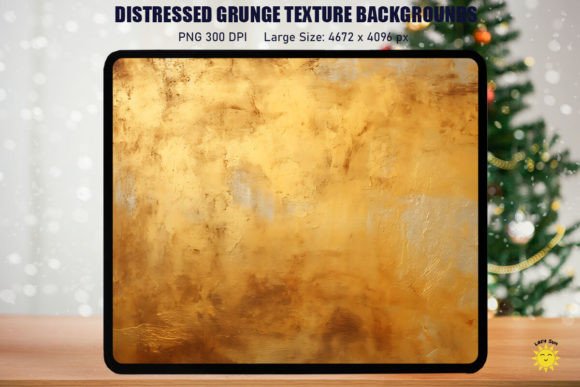
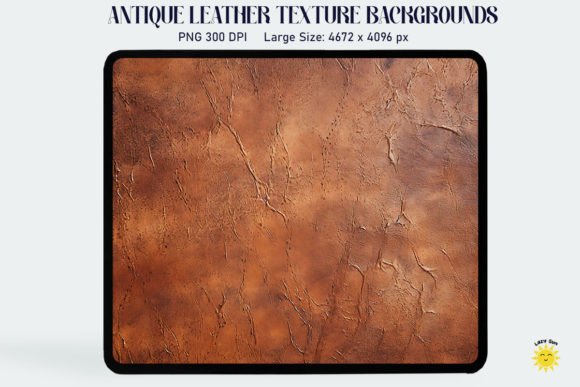
So, what exactly defines the look of these backgrounds? Think of the cover of a well-loved journal, the seat of a classic armchair, or the surface of an antique trunk. The Shabby Leather Texture Backgrounds collection captures that specific character—the subtle cracks, the gentle wear patterns, the uneven color variations that speak of history and use. It’s a texture that feels tactile, even on a screen. The "antique leather texture" isn't a flat, simulated pattern; it has depth, suggesting a real, physical object. This quality is what separates a generic digital asset from a premium design resource. The "distressed leather textures" within the set provide that sought-after nostalgic feel without looking artificially aged.
Practical Applications Across Creative Fields
The true value of any design asset lies in its application. A high-resolution, 300 DPI file at 4672 x 4096 pixels isn't just a number—it's a promise of flexibility. You can scale this weathered leather backdrop for a massive banner at a trade show or shrink it for a social media icon without losing the crisp detail of the grain. For a graphic designer building a brand identity, this texture can become a core element. Imagine a coffee roaster's packaging where the logo sits on a field of this classic leather, instantly communicating craft and tradition. A web designer might use it as a subtle background for a luxury goods e-commerce site, adding warmth and credibility that a plain color cannot.
For content creators and bloggers, the applications are equally powerful. A food blogger could use it as a base for flat-lay photography, giving their images a rustic, farmhouse kitchen vibe. A publisher of printed materials, like menus or event programs, would find the "nostalgic leather backdrop" ideal for creating an elegant, cohesive look. Even for personal projects—think custom wedding invitations, scrapbook pages, or handmade cards—the texture adds a layer of sophistication and perceived value. It turns a simple design into something with character.
Integrating Texture with Type and Other Elements
A common question with such a textured background is readability. The key is contrast and placement. Avoid placing dense paragraphs of small, light-colored text directly over the busiest areas of the leather. Instead, use it strategically. Place a bold, clean sans serif font for a headline over a smoother section. Use it for sidebars, footers, or as a frame around central content. The texture works beautifully with a wide range of typography. Pair it with a sturdy serif font for a traditional, authoritative feel. Combine it with a script font for elegant, formal projects like invitations. The contrast between the rough, organic texture and the refined letterforms of a modern typeface creates dynamic visual interest.
Making the Most of Your Asset
Before diving in, consider a few practical points. First, the file is delivered as a .ZIP file, so ensure you can unpack it. The single, high-resolution PNG is your master file. Since it's not layered or an SVG, your editing will be about placement and scaling within your design software. Always test the background with your chosen color palette and typography on a sample layout before finalizing. Check how it looks on both screen and, if for print, get a proof. Remember, colors can shift between devices and printers. The strength of this asset is its quality and adaptability—use that to your advantage by resizing and cropping to find the perfect composition for your creative project.
Ultimately, Shabby Leather Texture Backgrounds provide more than just a surface. They offer a mood—a sense of heritage, durability, and authentic character. Whether you're designing a logo, crafting social media graphics, or laying out an editorial piece, this resource gives you a powerful tool to anchor your work in a visually compelling and emotionally resonant style. It's a practical, professional-grade asset that respects the nuanced needs of real-world design work.